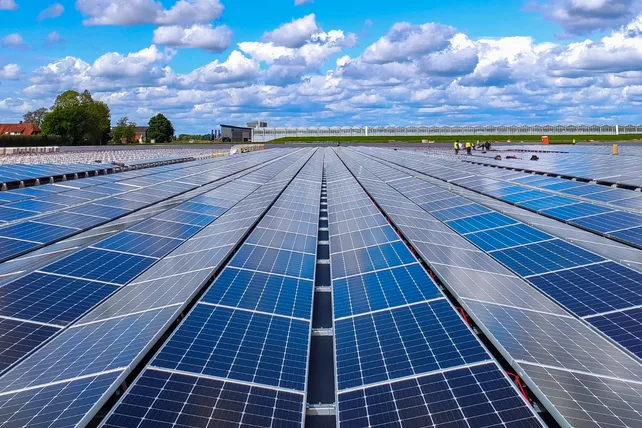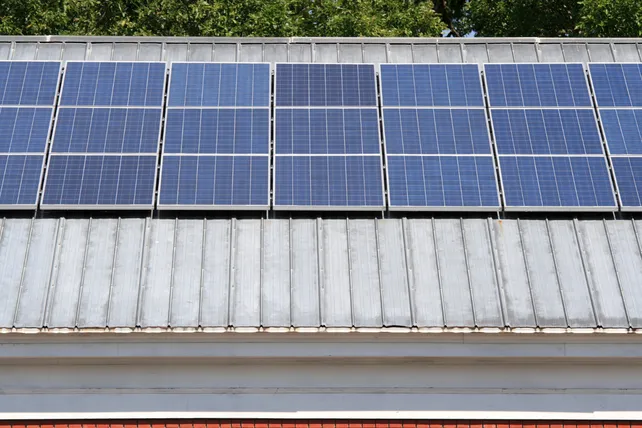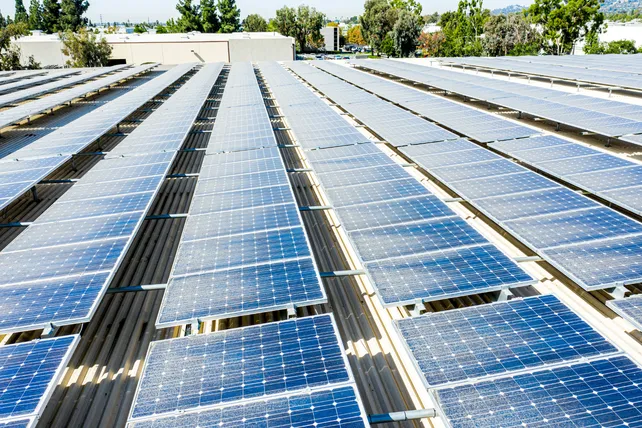
The commissioning process for commercial solar panel installations is a critical phase that ensures your system operates safely, efficiently, and in compliance with UK regulations. This comprehensive procedure validates that your investment will deliver expected performance while meeting all safety and grid connection requirements.
Pre-Commissioning Safety and Documentation Checks
Before any electrical testing begins, qualified installers must conduct thorough safety inspections and documentation reviews. This initial phase involves verifying that all installation work complies with BS 7671 (IET Wiring Regulations) and relevant building regulations.
The documentation check includes reviewing installation certificates, component specifications, and system design documentation against the original approved plans. All DC and AC isolators must be clearly labelled and accessible, with emergency shutdown procedures prominently displayed. Fire safety considerations are particularly important for commercial installations, requiring appropriate access routes and signage as specified in building regulations.
Visual inspections cover mechanical fixings, cable management, earthing arrangements, and weatherproofing. The installer will verify that all components are correctly rated for their operating environment and that there are no signs of damage from the installation process.
Electrical Testing and Performance Verification
Comprehensive electrical testing forms the backbone of the commissioning process. This includes insulation resistance testing, continuity testing, and polarity checks across both DC and AC circuits. Earth fault loop impedance testing ensures adequate protection in case of electrical faults.
String testing verifies that each photovoltaic array is performing within expected parameters. Open circuit voltage and short circuit current measurements are compared against manufacturer specifications and design calculations. Any significant deviations indicate potential installation issues that must be resolved before proceeding.
The inverter commissioning process involves configuring protection settings, verifying anti-islanding functionality, and testing automatic disconnection features. These safety systems are essential for protecting maintenance personnel and ensuring grid stability.
Power output testing under current irradiance conditions provides baseline performance data. While full nameplate capacity testing requires optimal conditions, initial performance verification ensures the system is generating power as expected relative to available solar irradiance.
Grid Connection and Export Testing Procedures
Grid connection procedures vary depending on system size and local Distribution Network Operator (DNO) requirements. Systems above certain capacity thresholds require formal DNO approval and may need additional protection equipment.
The export testing process verifies that power flows correctly to the grid and that export metering is functioning accurately. For systems eligible for the Smart Export Guarantee (SEG), proper metering setup is essential for payment calculations. Export limitation settings, where required by the DNO, must be tested and verified.
Grid code compliance testing ensures the system responds appropriately to grid conditions. This includes voltage and frequency response testing, power factor verification, and fault ride-through capability where applicable to larger installations.
The installer will coordinate with your electricity supplier to ensure smooth integration with existing supply arrangements and billing systems. Any changes to your supply configuration or metering arrangements must be properly documented and communicated.
System Monitoring and Data Logging Setup
Modern commercial solar installations include sophisticated monitoring systems that track performance, identify faults, and optimise energy management. The commissioning process includes configuring these systems and establishing baseline performance parameters.
Generation monitoring typically tracks DC power from individual strings or arrays, AC power output, and energy yield over time. Environmental monitoring may include irradiance sensors, temperature measurements, and weather data integration for accurate performance assessment.
Remote monitoring capabilities allow ongoing system oversight without site visits. Cloud-based platforms can provide real-time alerts for performance issues, enabling rapid response to faults or underperformance. The installer will configure alert thresholds and notification procedures during commissioning.
Data logging systems must be configured to retain sufficient historical data for warranty claims, performance analysis, and maintenance planning. Integration with building management systems or energy management platforms may require additional configuration and testing.
Final Commissioning Certificates and Compliance
Upon successful completion of all testing, the installer provides comprehensive commissioning documentation. This includes electrical installation certificates compliant with BS 7671, test result schedules, and system performance verification reports.
For systems up to 50kW seeking SEG eligibility, MCS certification documentation is required. Larger commercial systems may require alternative compliance documentation depending on specific regulatory requirements and grid connection arrangements.
The commissioning report should include system specifications, test results, performance predictions, and any limitations or special operating requirements. This documentation is essential for insurance purposes, warranty claims, and future maintenance activities.
Building control notification may be required depending on the installation specifics and local authority requirements. The installer should advise on any additional compliance obligations and ensure all necessary notifications are submitted.
Handover Process and Operations Manual
The final handover process transfers responsibility from the installer to the system owner. This includes comprehensive training on system operation, monitoring procedures, and basic maintenance requirements.
The operations manual should cover normal operating procedures, emergency shutdown processes, and contact information for technical support. Clear instructions for reading monitoring displays and understanding performance data help ensure ongoing system optimisation.
Maintenance schedule information, warranty details, and troubleshooting guidance enable effective long-term system management. The manual should identify which maintenance tasks can be performed in-house and which require specialist contractor support.
Access credentials for monitoring systems, documentation of all passwords and security settings, and contact details for ongoing technical support complete the handover process. A formal sign-off procedure confirms that all commissioning requirements have been met and the system is ready for commercial operation.
Working with experienced commercial solar installers ensures proper commissioning procedures and comprehensive documentation. Professional commissioning is essential for system reliability, warranty protection, and optimal long-term performance of your commercial solar investment.
See also: Our commercial solar cost overview pulls together pricing tables, tax relief, grants, sector breakdowns and FAQs in one place.