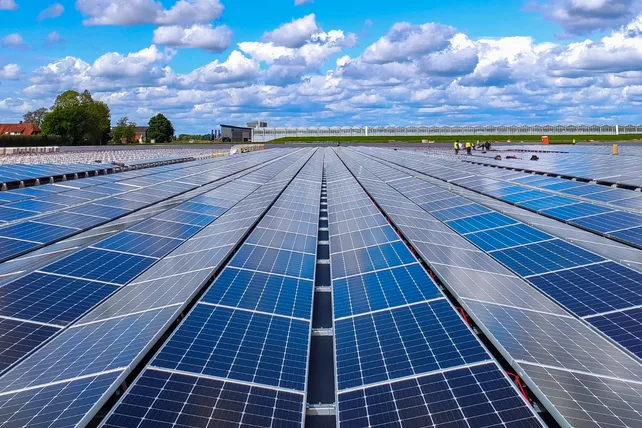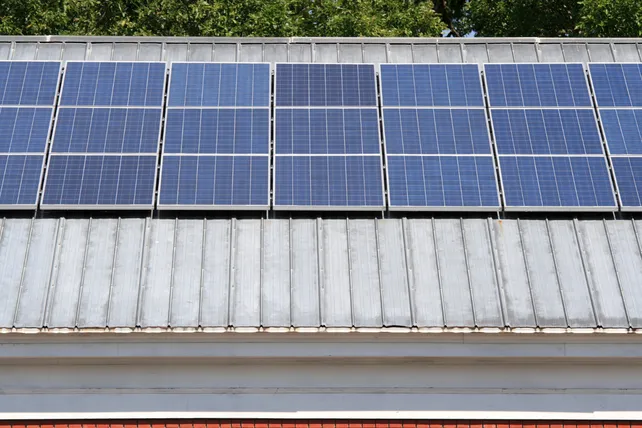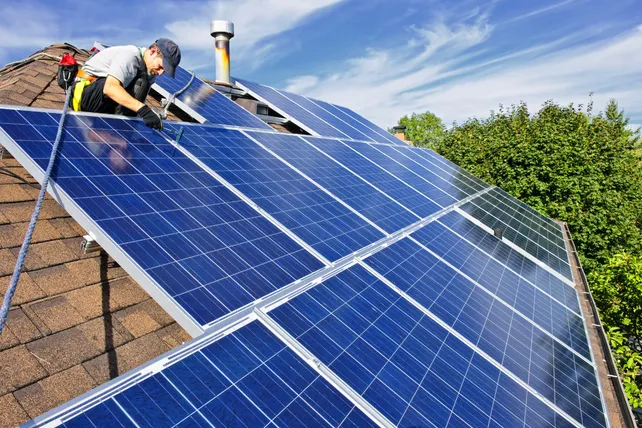
Installing commercial solar panels on UK business premises requires careful structural assessment to ensure safety, compliance, and optimal performance. Understanding when structural surveys are required and what they involve is crucial for any business considering a commercial solar installation.
When Structural Surveys Are Required
Structural surveys become necessary when installing solar panels on commercial buildings to verify that the roof structure can safely support the additional weight and wind loads. Under UK Building Regulations, particularly Part A (Structure), any significant alteration or addition to a building that affects structural integrity requires proper assessment.
Most commercial solar installations will require a structural survey, especially for:
- Older buildings constructed before 1980
- Buildings with existing structural modifications
- Flat roof installations requiring ballasted mounting systems
- Large-scale arrays exceeding 10kW capacity
- Buildings in areas prone to high wind loads
Local planning authorities and Building Control may require structural engineer certification as part of the planning or building regulations approval process.
Roof Load Calculations for Solar Arrays
Professional load calculations form the core of any structural assessment. Engineers must evaluate both dead loads (permanent weight of panels and mounting systems) and live loads (temporary forces from wind, snow, and maintenance activities).
Typical commercial solar panel systems add between 15-25 kg per square metre to roof loading, including the panels, mounting rails, and fixings. However, ballasted systems on flat roofs can significantly increase this load to 50-80 kg per square metre.
Key calculations include:
- Dead load analysis: Permanent weight of solar equipment distributed across the roof structure
- Live load assessment: Variable loads from weather conditions and maintenance access
- Point load evaluation: Concentrated forces at mounting points and structural connections
- Uplift resistance: The roof's ability to resist wind-induced lifting forces
These calculations must comply with British Standards BS EN 1991 (Actions on Structures) and consider the specific wind zone classification for the building's location.
Professional Structural Engineer Reports
A qualified structural engineer must produce a comprehensive report demonstrating the building's suitability for solar installation. This report typically includes detailed drawings, calculations, and recommendations for any necessary reinforcement work.
The structural engineer's report should cover:
- Existing structural condition assessment
- Load path analysis from panels to foundation
- Compliance with current Building Regulations
- Specific mounting recommendations
- Any required structural modifications
Engineers must be chartered members of the Institution of Structural Engineers (IStructE) or Institution of Civil Engineers (ICE) to provide reports acceptable to Building Control and insurance providers.
Insurance and Warranty Implications
Building insurance policies often require structural engineer certification for solar installations to maintain coverage. Professional indemnity insurance from the structural engineer provides additional protection, typically covering designs for 6-12 years after completion.
Building Age and Construction Type Considerations
The age and construction method of commercial buildings significantly influence structural survey requirements and complexity. Different construction types present unique challenges for solar installations.
Pre-1960 buildings often feature solid masonry construction with timber roof structures. These buildings may have adequate load-bearing capacity but require careful assessment of fixing points and potential asbestos considerations.
1960s-1980s buildings commonly use reinforced concrete frame construction. While generally suitable for solar installations, original structural drawings help verify load capacities and identify suitable mounting locations.
Modern buildings (post-1990) typically incorporate steel frame construction with composite roof decks. These structures often provide excellent solar installation potential but require specific fixing systems designed for steel frame buildings.
Portal frame industrial buildings require particular attention to purlin spacing and cladding rail capacity, as these elements often determine mounting system selection and panel layout optimization.
Wind Load and Weather Resistance Assessment
UK weather conditions create significant design challenges for commercial solar installations. Wind load calculations must account for the building's exposure category, local topography, and prevailing weather patterns.
The UK's wind zones range from relatively sheltered inland areas to exposed coastal and elevated locations. Structural engineers use BS EN 1991-1-4 to calculate design wind speeds and resulting forces on solar arrays.
Critical wind load considerations include:
- Uplift forces: Wind flowing over and around solar panels creates suction forces that can lift panels and stress mounting systems
- Lateral loads: Side winds create horizontal forces transferred through mounting systems to the roof structure
- Dynamic effects: Gusty conditions can create oscillating loads requiring fatigue resistance
- Combined loading: Simultaneous wind and snow loading scenarios
Coastal locations and buildings above 15 metres height face enhanced wind exposure requiring more robust mounting systems and potentially increased structural reinforcement.
Survey Costs and Timeline Planning
Structural survey costs vary significantly based on building complexity, size, and location. Typical commercial structural surveys range from £1,500-£5,000 for standard installations, with complex or large-scale projects potentially exceeding £10,000.
Factors affecting survey costs include:
- Building size and solar array capacity
- Construction complexity and age
- Access requirements for roof inspection
- Need for intrusive investigation or material testing
- Geographic location and engineer availability
Timeline considerations:
- Initial desktop study: 3-5 working days
- Site investigation: 1-2 days depending on building size
- Calculation and report preparation: 10-15 working days
- Building Control submission and approval: 4-8 weeks
Planning structural surveys early in the project timeline prevents delays during the main installation phase. Coordinating surveys with other pre-installation activities like electrical assessments and planning applications optimizes project scheduling.
Next Steps for Commercial Solar Installation
Engaging qualified commercial solar installers early ensures proper coordination between structural assessment and system design. Professional installers can recommend appropriate structural engineers and guide the survey process to support successful project delivery.
Through nu.energy's platform, businesses can connect with experienced commercial solar installers who understand structural requirements and can coordinate comprehensive project delivery from initial survey through to system commissioning.