Commercial Solar Panels Cost Breakdown 2026
Understanding the cost structure of commercial solar installations is essential for making informed investment decisions. Commercial solar panel costs in the UK vary significantly based on system size, complexity, and site-specific requirements.
The primary cost components include solar panels (typically 25-30% of total cost), inverters (10-15%), mounting systems (10-15%), electrical components and installation labour (25-35%), and additional costs such as grid connection, planning applications, and commissioning (15-20%). These percentages can shift depending on the specific requirements of your installation.
Installation costs per kilowatt peak (kWp) generally decrease as system size increases, due to economies of scale. Larger commercial installations benefit from reduced per-unit costs for equipment procurement, installation efficiency, and fixed costs being spread across more generating capacity.
System Size vs Total Investment: 50kWp to 500kWp+
Commercial solar installations are typically categorised by their generating capacity, measured in kilowatts peak (kWp). The relationship between system size and total investment follows predictable patterns, though site-specific factors can influence final costs.
Small commercial systems (50-100kWp) typically cost between £600-£900 per kWp installed. These systems are suitable for smaller businesses, retail units, or industrial units with modest energy consumption. A 50kWp system would typically require 150-200 square metres of suitable roof space.
Medium commercial installations (100-250kWp) generally achieve better value, with costs ranging from £500-£750 per kWp. These systems suit larger retail premises, manufacturing facilities, or office complexes with substantial daytime energy consumption.
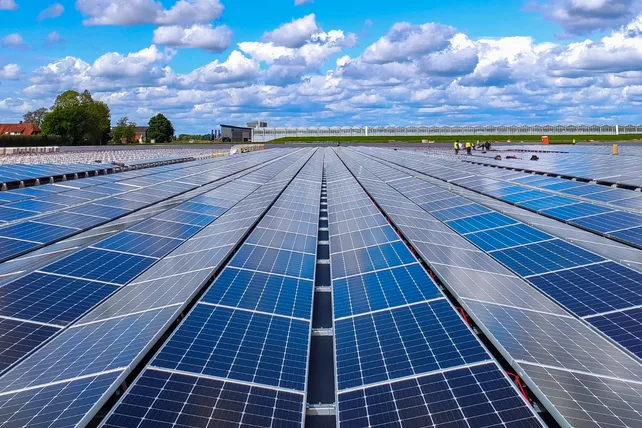
Large commercial systems (250kWp and above) can achieve the lowest per-kWp costs, typically between £450-£650 per kWp. These installations are suitable for large industrial facilities, distribution centres, or multi-building commercial sites.
Ground-mounted systems may incur additional costs for foundations and land preparation, whilst roof-mounted systems may require structural assessments and potential reinforcement work.
Real-World ROI: Payback Periods by Business Type
Return on investment varies significantly depending on business energy consumption patterns, electricity tariff rates, and operational hours. Businesses with high daytime energy consumption typically achieve the best returns from commercial solar installations.
Manufacturing and industrial facilities often see payback periods of 6-10 years, as their energy consumption patterns align well with solar generation. These businesses typically operate during daylight hours and have consistent, predictable energy demand.
Retail and office premises may experience payback periods of 8-12 years, depending on occupancy patterns and energy efficiency measures. Businesses with weekend or evening operations may see longer payback periods due to reduced solar energy self-consumption.
Warehouses and distribution centres can achieve particularly strong returns, with payback periods often between 5-8 years, due to large available roof space, high energy consumption from lighting and machinery, and daytime operational patterns.
The Smart Export Guarantee (SEG) provides additional revenue streams for exported electricity, though self-consumption typically offers better financial returns than export payments. Current SEG rates vary between suppliers and are generally lower than avoided electricity purchase costs.
Financing Options: Purchase vs Lease vs PPA Cost Comparison
Commercial solar installations can be financed through several mechanisms, each with distinct advantages and considerations for cash flow and ownership.
Outright purchase offers the best long-term financial returns, with businesses owning the system and benefiting from all generated electricity and export payments. This option requires significant upfront capital but provides the shortest payback periods and highest lifetime returns.
Solar leasing arrangements allow businesses to install systems with minimal upfront costs, typically paying monthly lease payments over 10-25 year terms. Whilst this reduces initial capital requirements, total lifetime costs are generally higher than outright purchase.
Power Purchase Agreements (PPAs) involve third-party ownership of the solar installation, with businesses purchasing generated electricity at agreed rates, typically below grid electricity prices. PPAs can offer immediate savings without capital investment, though long-term savings may be lower than ownership models.
Asset finance and green loans are increasingly available for commercial solar projects, with some lenders offering preferential rates for renewable energy investments. The Enhanced Capital Allowance scheme allows businesses to write off the full cost of qualifying energy-efficient equipment against taxable profits in the year of purchase.
Hidden Costs: What's Not Included in Standard Quotes
Commercial solar quotes may not always include all necessary costs, and understanding potential additional expenses is crucial for accurate budgeting.
Grid connection costs can vary significantly depending on local network capacity and required upgrades. Distribution Network Operators may charge for connection studies, network reinforcement, or upgraded metering equipment. These costs are often quoted separately and can range from hundreds to thousands of pounds.
Planning permission and building regulations compliance may require additional fees. Whilst many commercial solar installations fall under permitted development rights, larger systems or sensitive locations may require full planning applications.
Structural surveys and potential roof modifications are essential for roof-mounted systems but may be excluded from initial quotes. Older commercial buildings may require structural assessment and possible reinforcement work before installation can proceed.
Ongoing maintenance, insurance, and monitoring costs should be considered in total cost of ownership calculations. Annual maintenance typically costs 1-2% of initial system cost, whilst monitoring systems and insurance may add further ongoing expenses.
Business rates implications should be considered, as solar installations may affect commercial property valuations and business rates assessments.
How to Compare Commercial Solar Quotes Effectively
Comparing commercial solar quotes requires careful analysis of technical specifications, financial projections, and contractual terms rather than simply comparing headline prices.
Technical specifications should include detailed equipment lists with manufacturer specifications, warranty terms, and expected performance data. Panel efficiency, inverter specifications, and mounting system details significantly impact long-term performance and reliability.
Financial projections should be based on realistic assumptions about energy consumption patterns, electricity price escalation, and system degradation over time. Reputable installers will provide detailed financial models with sensitivity analysis for key variables.
Installation timelines and project management approaches vary between contractors. Consider the installer's experience with similar commercial projects, insurance coverage, and ability to manage complex installations with minimal business disruption.
Post-installation support, including warranty terms, maintenance packages, and monitoring services, should be evaluated alongside initial costs. Comprehensive warranties and professional monitoring can protect long-term investment returns.
When evaluating quotes, businesses should request references from recent commercial installations of similar size and complexity. Site visits to completed projects can provide valuable insights into installation quality and system performance.
For systems up to 50kW seeking Smart Export Guarantee payments, ensure installers hold appropriate MCS certification. For larger commercial systems above 50kW, focus on relevant commercial experience and technical qualifications rather than MCS certification, which doesn't apply to larger installations.
nu.energy connects UK businesses with qualified commercial solar installers, providing access to competitive quotes and expert guidance throughout the evaluation and installation process.