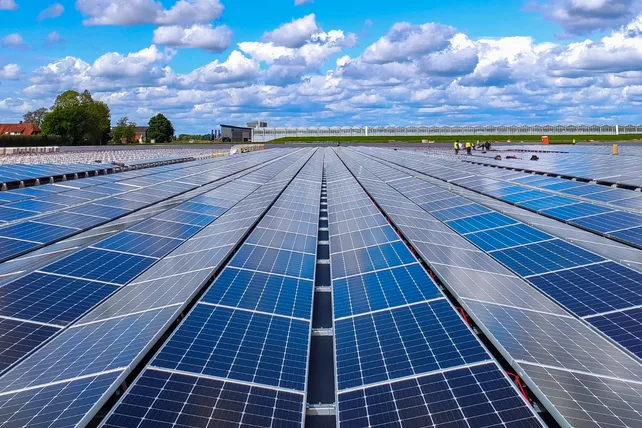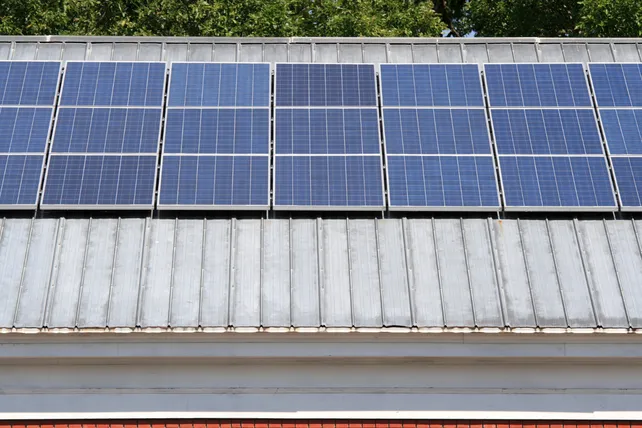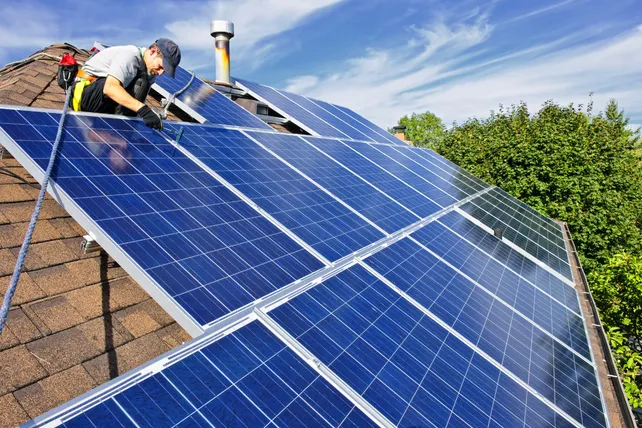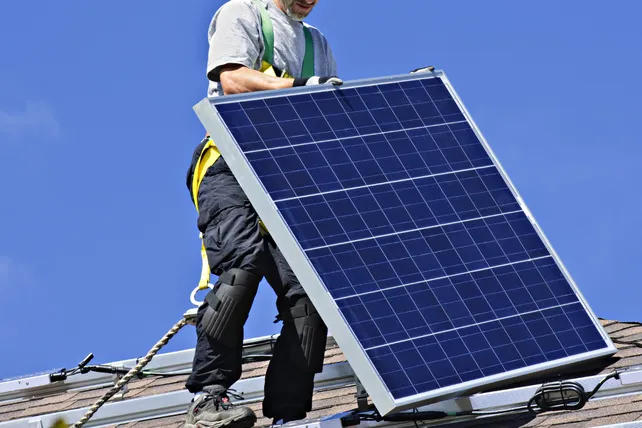
Commercial solar panel installations require careful electrical planning and adherence to UK safety standards. Proper electrical connections are critical for system performance, safety, and compliance with regulations. This guide covers the essential electrical connection requirements for commercial solar installations in the UK.
UK Electrical Wiring Standards for Commercial Solar
Commercial solar installations must comply with the 18th Edition of the IET Wiring Regulations (BS 7671:2018), which is the UK standard for electrical installations. This includes specific requirements for photovoltaic systems outlined in Section 712 of the regulations.
The key standards that apply to commercial solar electrical connections include:
- BS 7671:2018 - Requirements for Electrical Installations (IET Wiring Regulations)
- BS EN 62446-1:2016 - Photovoltaic systems requirements for testing, documentation and maintenance
- BS EN 61730 series - Photovoltaic module safety qualification requirements
- Building Regulations Part P - Electrical safety in dwellings (where applicable)
All electrical work must be carried out by qualified electricians with appropriate competence in photovoltaic systems. For systems up to 50kW seeking Smart Export Guarantee payments, an MCS-certified installer is required.
DC and AC Connection Requirements and Safety
Solar panel systems generate DC electricity that must be safely converted and connected. The DC side of the installation requires specific safety considerations:
DC Connection Safety
- DC Isolators: Mandatory DC isolation switches must be installed both at string level and at the inverter input. These allow safe disconnection for maintenance.
- Cable Sizing: DC cables must be sized to handle the maximum current with appropriate derating factors for temperature and bundling.
- Polarity Protection: All DC connections must include proper polarity marking and protection against reverse connection.
- Arc Fault Protection: Modern commercial installations should include arc fault detection devices to prevent fire hazards.
AC Connection Requirements
The AC side connects the inverter output to the building's electrical system and the grid:
- AC Disconnect: A clearly marked AC isolator must be provided near the inverter and at the main distribution board.
- Generation Meter: Required for monitoring energy production and Smart Export Guarantee calculations.
- Grid Connection Point: Must comply with Distribution Network Operator (DNO) requirements.
Inverter Connection and Grid Tie Procedures
The inverter is the critical component converting DC solar energy to AC electricity compatible with the UK grid at 230V/400V, 50Hz frequency.
Inverter Installation Requirements
- Ventilation: Adequate clearance around inverters for cooling and maintenance access
- Environmental Protection: IP65 rating minimum for outdoor installations
- Grid Compliance: Inverters must meet G98 (up to 16A per phase) or G99 (above 16A per phase) grid connection standards
Grid Tie Procedures
Connecting to the electricity grid requires DNO approval and compliance with Engineering Recommendation G98 or G99:
- Application Submission: Submit grid connection application to local DNO before installation
- Grid Protection Settings: Configure inverter protection settings according to DNO requirements
- Commissioning Tests: Complete all required electrical tests before grid connection
- DNO Notification: Notify DNO of installation completion and provide required documentation
Earthing Systems and Electrical Protection
Proper earthing and electrical protection are essential for safety and regulatory compliance.
Earthing Requirements
- Equipment Earthing: All metallic components including panel frames, mounting structures, and inverters must be earthed
- Earth Continuity: Continuous earth path from all equipment back to the main earthing terminal
- Earth Electrode: Additional earth electrode may be required for larger installations
Electrical Protection Systems
Commercial solar installations require multiple layers of protection:
- Overcurrent Protection: MCBs or fuses protecting both DC and AC circuits
- RCD Protection: Residual current devices on AC circuits as required by BS 7671
- Surge Protection: SPDs on both DC and AC sides to protect against lightning and switching surges
- Isolation and Switching: Emergency shutdown procedures and equipment
Cable Management and Weatherproofing Standards
Proper cable management ensures system longevity and safety in the UK climate.
Cable Selection and Routing
- DC Cables: Use solar-rated cables (typically H1Z2Z2-K) designed for UV resistance and temperature cycling
- AC Cables: Standard building cables (e.g., SWA for underground runs) appropriate for the installation environment
- Cable Supports: Adequate support at required intervals with allowance for thermal expansion
- Segregation: Maintain separation between DC and AC cables as required by regulations
Weatherproofing Requirements
UK weather conditions require robust weatherproofing:
- IP Ratings: Minimum IP54 for external enclosures, IP65 recommended for harsh environments
- Cable Glands: Use appropriate IP-rated cable glands with strain relief
- Drainage: Design enclosures with proper drainage to prevent water accumulation
- Sealing: Use appropriate sealants compatible with roof materials and solar equipment
Electrical Testing and Certification Requirements
Comprehensive testing and certification ensure safety and performance.
Required Electrical Tests
Before energisation, commercial solar installations must undergo specific tests:
- Continuity Testing: Verify earth continuity and correct polarity
- Insulation Resistance: Test insulation between live conductors and earth
- Functional Testing: Verify operation of all protection devices and isolators
- Performance Testing: Measure system performance under standard test conditions
Certification and Documentation
Proper documentation is required for compliance and warranty purposes:
- Electrical Installation Certificate: EIC completed by qualified electrician
- Solar Installation Certificate: Specific PV installation documentation
- Operation and Maintenance Manual: Including electrical schematic diagrams and safety procedures
- DNO G98/G99 Certificate: Grid connection compliance documentation
Ongoing Compliance
Regular maintenance and testing ensure continued safety and performance:
- Annual Visual Inspection: Check for damage, corrosion, or loose connections
- Electrical Testing: Periodic testing as recommended by manufacturer and installer
- Performance Monitoring: Continuous monitoring systems to identify electrical faults
Proper electrical connections are fundamental to safe and effective commercial solar installations. Working with qualified commercial solar installers ensures compliance with UK standards and optimal system performance. The complexity of electrical requirements makes professional installation essential for commercial-scale solar projects.
See also: Our commercial solar cost overview pulls together pricing tables, tax relief, grants, sector breakdowns and FAQs in one place.