UK Building Regulations for Solar Fire Safety
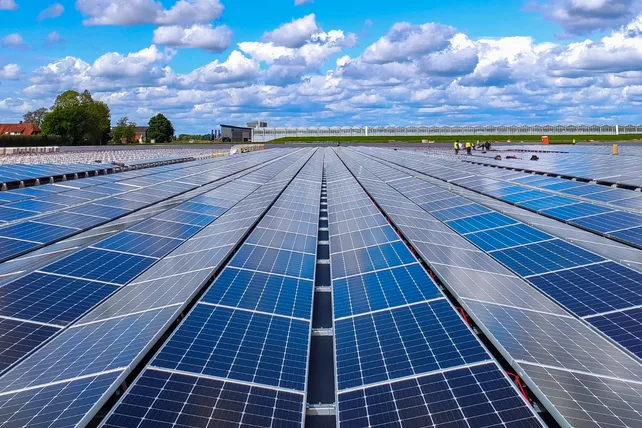
Commercial solar panel installations in the UK must comply with Building Regulations, particularly Approved Document B (Fire Safety) and relevant British Standards. The primary concern is preventing fire spread across roof surfaces and ensuring safe access for emergency services.
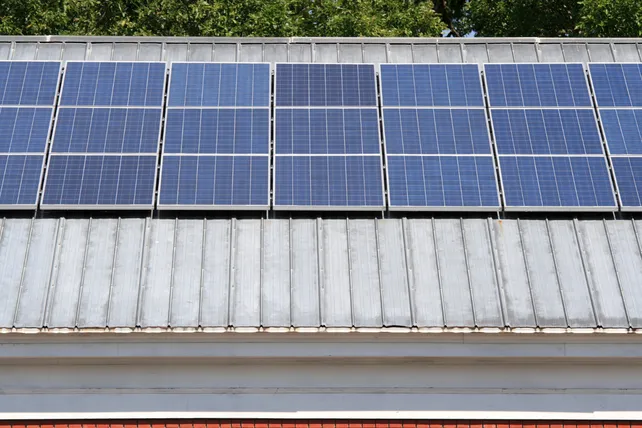
Under current regulations, solar panels must maintain adequate spacing from roof edges, typically 760mm on commercial buildings. This creates a clear perimeter for firefighter access and prevents fire spread to adjacent structures. The panels must also be installed with appropriate roof loading calculations to ensure structural integrity during emergency situations.
Key requirements include fire-rated cabling, proper earthing systems, and compliance with BS 7909 for temporary electrical installations where applicable. Commercial installations must also consider the fire classification of roofing materials and how solar mounting systems interact with existing fire safety measures.
Fire Service Access Requirements
Fire and rescue services require unobstructed access to commercial buildings with solar installations. This means maintaining clear pathways across rooftops and ensuring emergency vehicle access remains unimpeded.
Commercial solar arrays must incorporate firefighter safety zones – areas of roof kept clear of panels to provide safe working space. These zones typically measure at least 1.2 metres wide and connect access points to key building features like ventilation systems or roof-mounted plant equipment.
Installation design must consider ladder access points, walking routes across the roof, and visibility of building features that emergency responders rely on. Some fire services provide specific guidance for their area, so consultation with local authorities during the planning phase is essential.
Emergency Response Considerations
Solar panels continue generating electricity during daylight hours, even when the building's main electrical supply is isolated. This creates potential hazards for firefighters using water-based suppression systems. Proper signage indicating the presence of solar panels and DC electrical systems must be clearly visible from ground level and at electrical intake points.
DC Isolator and Emergency Shutdown Systems
Commercial solar installations require multiple isolation points to ensure electrical safety during emergencies. The DC isolator system allows rapid shutdown of the solar array, reducing electrical hazards for emergency responders and maintenance personnel.
Current regulations require DC isolators to be positioned both at the inverter and near the main electrical intake. These must be clearly labelled, easily accessible to authorised personnel, and protected from weather exposure. The isolators should be lockable to prevent unauthorised operation.
Many commercial installations now incorporate rapid shutdown devices that automatically reduce DC voltage to safe levels when activated. These systems respond to AC supply disconnection or manual triggering, ensuring that roof-level DC cabling carries minimal voltage during emergency situations.
Labelling and Documentation
Comprehensive electrical labelling is mandatory for commercial solar installations. This includes DC isolation points, inverter locations, and emergency shutdown procedures. Labels must be weatherproof, clearly visible, and include emergency contact information for the installation company.
Installer Certification and Compliance Standards
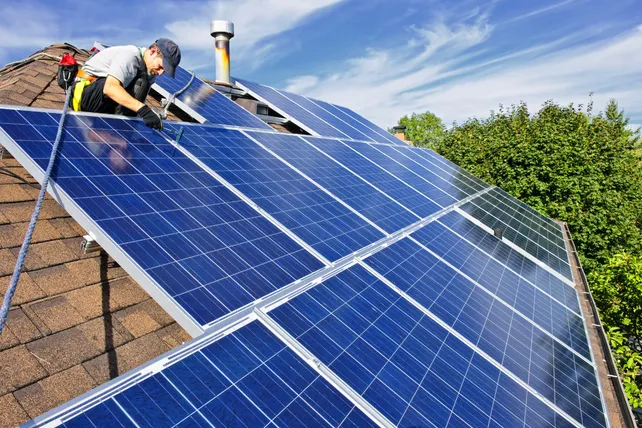
Commercial solar installers must hold appropriate electrical qualifications, typically including 18th Edition IET Wiring Regulations certification and relevant NVQ qualifications. For installations up to 50kW seeking Smart Export Guarantee eligibility, MCS certification is required.
Larger commercial installations above 50kW work with qualified commercial solar installers who demonstrate competency through industry bodies such as NICEIC, NAPIT, or equivalent certification schemes. These installers understand the complex fire safety requirements for commercial buildings and ensure compliance with relevant standards.
Key installer responsibilities include:
- Conducting thorough structural surveys to assess fire load and building compliance
- Designing systems that meet Building Regulations and local planning requirements
- Installing appropriate DC isolation and emergency shutdown systems
- Providing comprehensive documentation including electrical certificates and O&M manuals
- Ensuring proper earthing and electrical protection measures
Installation companies should carry appropriate insurance and provide warranties covering both equipment and workmanship, with specific provisions for fire safety compliance.
Insurance Requirements for Fire Safety Compliance
Commercial property insurers increasingly scrutinise solar installations and may require evidence of compliance with fire safety regulations. This typically includes electrical installation certificates, structural engineering reports, and confirmation that Building Regulations approval was obtained where required.
Many insurers now mandate annual electrical testing for commercial solar installations, similar to requirements for other fixed electrical equipment. Some policies include specific exclusions for solar-related incidents unless proper certification and maintenance records are maintained.
Insurance considerations include:
- Professional indemnity coverage for design and installation work
- Product liability insurance covering equipment defects
- Public liability coverage for installation activities
- Ongoing coverage requirements for system operation and maintenance
Business owners should notify their existing property insurers before installation and confirm that coverage will continue post-installation. Some insurers offer premium reductions for buildings with renewable energy systems, recognising the reduced fire risk from modern installations.
Regular Safety Inspection and Maintenance Protocols
Commercial solar installations require ongoing maintenance to ensure continued fire safety compliance. This includes regular inspection of DC isolation systems, electrical connections, and mounting hardware.
Annual electrical testing should cover insulation resistance, earth continuity, and proper operation of protection devices. Visual inspections should identify potential issues such as cable damage, loose connections, or deterioration of roof penetration seals that could compromise fire safety.
Recommended maintenance schedule:
- Monthly: Visual inspection of accessible components and isolation equipment
- Annually: Comprehensive electrical testing by qualified personnel
- Every five years: Detailed structural assessment of mounting systems and roof integrity
Maintenance records should be retained for insurance purposes and made available to fire services upon request. Any defects affecting fire safety must be addressed immediately, with temporary isolation of affected systems if necessary.
Emergency Procedure Updates
Building emergency procedures should be updated to reflect the presence of solar installations. This includes briefing security and facilities management staff on DC isolation procedures and ensuring emergency contact information for the solar installer is readily available.
Regular liaison with local fire services can help ensure they understand the specific installation and any unique features that might affect emergency response procedures.
See also: Our commercial solar cost overview pulls together pricing tables, tax relief, grants, sector breakdowns and FAQs in one place.