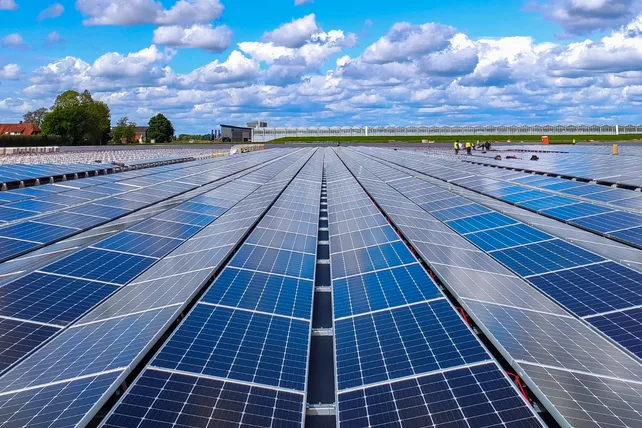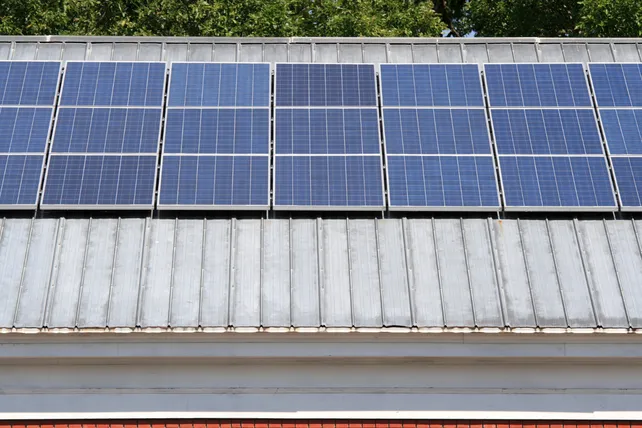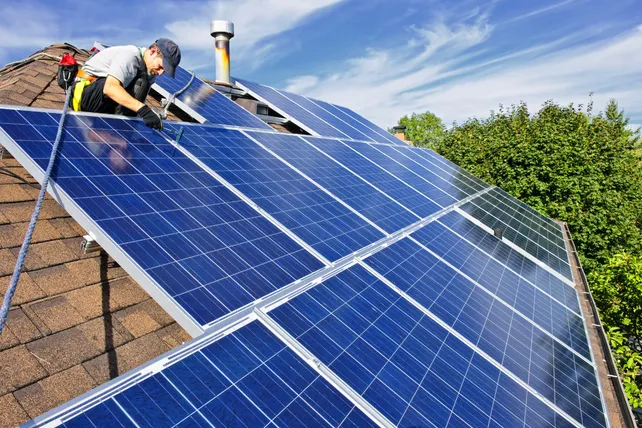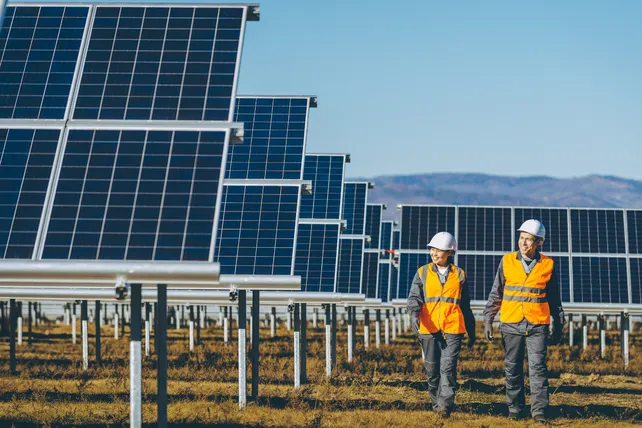
Shading analysis is a critical component of commercial solar panel system design that can make the difference between a profitable installation and a disappointing investment. For UK businesses considering solar energy, understanding how shadows from buildings, trees, and other obstructions affect system performance is essential for maximising return on investment.
Why Shading Analysis Matters for Commercial Solar
Even partial shading can dramatically reduce solar panel output due to the way photovoltaic cells are connected within panels. When one cell is shaded, it can act like a resistor, reducing the current flow through the entire string of panels connected in series. This phenomenon, known as the Christmas light effect, means that shading just 10% of a solar array can reduce total output by 50% or more in traditional string inverter systems.
For commercial installations, this impact translates directly to reduced revenue and extended payback periods. A comprehensive shading analysis helps identify potential problem areas before installation, allowing for system optimisation that can improve performance by 15-25% in partially shaded conditions.
The UK's variable weather patterns and lower solar angles, particularly during winter months, make shading analysis especially important for commercial projects. Unlike residential installations where roof space constraints often limit design flexibility, commercial solar systems typically offer more options for strategic panel placement and system configuration.
Professional Shading Assessment Tools and Methods
Professional shading analysis uses sophisticated software tools that model sun paths throughout the year and calculate precise shading impacts. Industry-standard software packages like PVsyst, Helioscope, and Aurora Solar create detailed 3D models of installation sites, incorporating:
- Local latitude and longitude coordinates
- Surrounding building heights and orientations
- Vegetation and other potential obstructions
- Seasonal sun path variations
- Time-of-day shading patterns
These tools generate comprehensive shading reports that show hourly, monthly, and annual shading patterns. The analysis produces heat maps highlighting areas with significant shading issues and quantifies the impact on energy production for different system configurations.
Physical site surveys complement digital modelling, using tools like Solar Pathfinders or digital cameras with fisheye lenses to capture actual site conditions. These instruments photograph the sky view from potential panel locations, creating visual representations of shading obstacles throughout the solar window.
Calculating Shading Impact on Energy Output
Shading impact calculations consider both the extent and timing of shadows. Morning and evening shading typically has less impact than midday shading, as solar irradiance is lower during these periods. However, the UK's extended daylight hours during summer months mean that even early morning or late evening shadows can affect total energy production.
The shading analysis calculates several key metrics:
- Shading factor: The percentage of available solar energy lost due to shading
- Performance ratio: Actual versus theoretical energy output
- Monthly variation: How shading impacts change throughout the year
- Economic impact: Lost revenue from reduced energy generation
For example, a typical commercial installation might show minimal shading impact during summer months when the sun is high, but significant losses during winter when the sun angle is lower and shadows are longer. These seasonal variations are particularly pronounced at UK latitudes, where winter sun angles can be as low as 15-20 degrees above the horizon.
Power Optimiser and Microinverter Solutions
Modern solar technology offers solutions to mitigate shading losses through module-level power electronics. Power optimisers and microinverters allow each panel to operate independently, preventing shaded panels from dragging down the performance of unshaded ones.
Power optimisers work with string inverters but add DC-DC conversion at each panel, enabling maximum power point tracking for individual modules. This technology can recover 20-25% of energy losses in partially shaded conditions compared to traditional string inverter systems.
Microinverters provide complete module-level independence by converting DC to AC at each panel. While typically more expensive than optimisers, microinverters offer maximum flexibility for irregular roof layouts and complex shading conditions common in commercial applications.
The economic case for these technologies depends on the extent of shading identified in the analysis. For installations with minimal shading, the additional cost may not be justified. However, for sites with significant shading challenges, the improved energy yield often provides strong return on investment.
Site Design Strategies to Minimise Shading
Effective shading mitigation begins with strategic system design based on thorough site analysis. Commercial installations offer several design opportunities to minimise shading impacts:
Panel spacing and tilt optimisation: Increasing row spacing reduces inter-row shading but requires more roof space. Reducing tilt angles can also minimise shading while maintaining acceptable energy output levels.
System layout flexibility: Commercial rooftops often allow for creative array configurations that work around existing obstructions like HVAC equipment, skylights, or architectural features.
Selective panel placement: Installing panels only in optimal locations may be more cost-effective than covering the entire available roof area with a mix of high and low-performing sections.
Ground-mounted options: Businesses with available land may consider ground-mounted systems that offer greater design flexibility and easier maintenance access than rooftop installations.
The analysis should also consider potential future shading sources, such as planned construction on neighbouring properties or tree growth over the system's 25-year lifespan.
Seasonal Shading Variations in UK Climate
The UK's northern latitude creates pronounced seasonal variations in solar angles that significantly affect shading patterns. During winter months, the sun never rises above 20 degrees in northern England and Scotland, creating long shadows from relatively low obstacles.
This seasonal variation means that obstacles causing minimal summer shading can create significant winter losses. For example, a one-metre high parapet wall might cast shadows extending four metres in December compared to just 50 centimetres in June.
Commercial solar economics must account for these seasonal patterns. While winter energy production is naturally lower due to reduced daylight hours and solar irradiance, excessive winter shading can eliminate any meaningful cold-weather generation, affecting overall system viability.
The analysis should model these seasonal variations to ensure realistic energy projections throughout the year. Understanding winter shading patterns is particularly important for businesses with consistent year-round energy demand, as seasonal production variations affect the balance between solar generation and grid electricity purchases.
Professional Assessment and Installation
Given the complexity of commercial solar shading analysis and its critical importance to system performance, professional assessment is essential. Qualified commercial solar installers have the expertise and tools necessary to conduct comprehensive shading analysis and design optimised systems for specific site conditions.
A thorough shading analysis forms part of any quality commercial solar feasibility study, providing the foundation for informed investment decisions and realistic performance expectations. For businesses considering commercial solar installation, engaging with experienced installers ensures that shading challenges are properly identified and addressed during the design phase rather than discovered after installation.