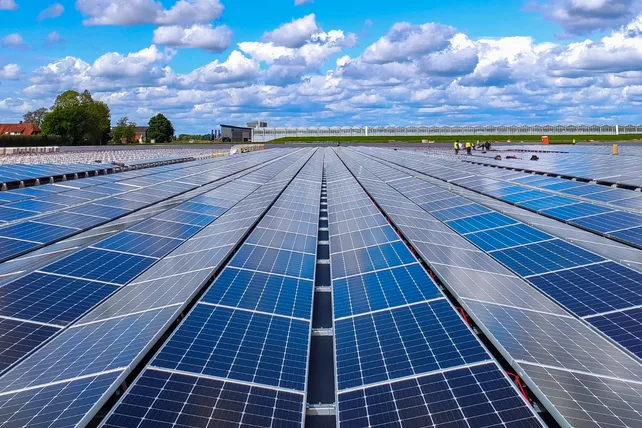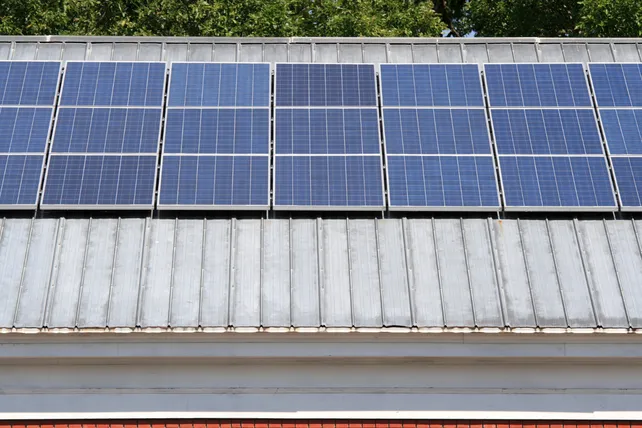
Maintaining clean commercial solar panels is essential for optimal energy generation and long-term system performance. With UK businesses increasingly investing in solar installations, understanding the cleaning requirements, regulations, and best practices has become crucial for facility managers and business owners.
UK Cleaning Frequency Requirements
While there are no specific statutory requirements mandating commercial solar panel cleaning frequency in the UK, industry guidance and manufacturer warranties typically recommend regular maintenance schedules. Most solar panel manufacturers suggest cleaning every 6-12 months, though this can vary significantly based on location and environmental factors.
The MCS (Microgeneration Certification Scheme) standards emphasise the importance of regular maintenance for maintaining system performance and warranty compliance. Commercial installations in areas with high dust, pollution, or bird activity may require more frequent cleaning, potentially every 3-6 months.
Environmental factors affecting cleaning frequency include:
- Proximity to main roads or industrial areas
- Local wildlife populations, particularly seagulls in coastal areas
- Seasonal pollen levels
- Regional rainfall patterns
- Surrounding construction or agricultural activities
Working at Height Regulations Compliance
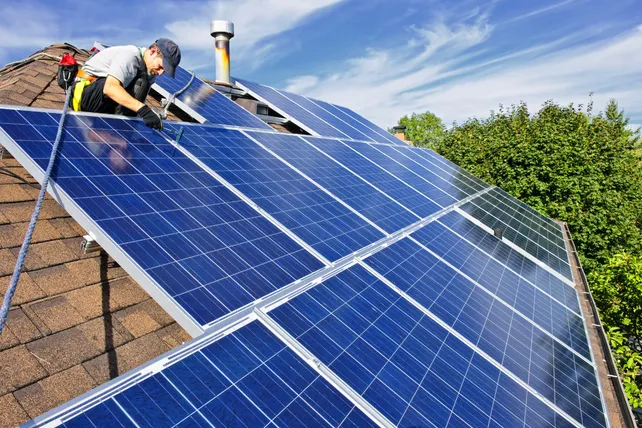
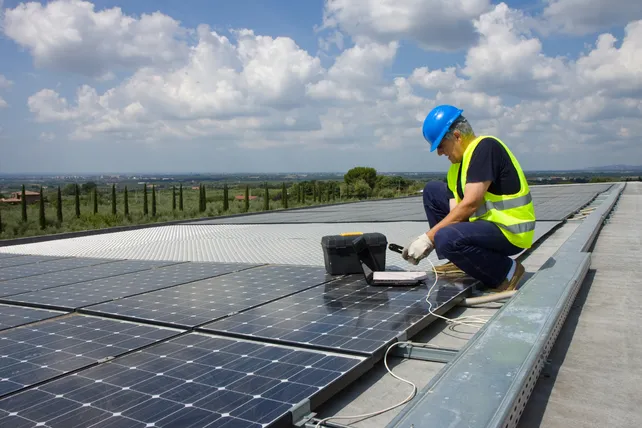
Commercial solar panel cleaning in the UK must comply with the Working at Height Regulations 2005, which apply to any work where a person could fall and injure themselves. These regulations are enforced by the Health and Safety Executive (HSE) and carry significant legal implications for businesses.
Key compliance requirements include:
- Risk assessment and method statements before any work begins
- Use of appropriate fall protection equipment
- Proper training and competency certification for personnel
- Regular equipment inspection and maintenance
- Emergency rescue procedures
The regulations specify a hierarchy of controls, prioritising collective protection measures such as scaffolding or safety nets over personal protective equipment. For roof-mounted commercial solar installations, this often means professional cleaning services are the most compliant option.
Businesses attempting DIY cleaning must ensure they have adequate risk management procedures, insurance coverage, and trained personnel. The HSE recommends that work at height should only be carried out by competent persons with appropriate training and equipment.
Professional vs Self-Cleaning Options
Commercial solar panel cleaning can be approached through professional services or in-house maintenance teams, each with distinct advantages and considerations.
Professional Cleaning Services
Professional solar cleaning companies offer several benefits:
- Compliance with Working at Height Regulations
- Specialised equipment and cleaning solutions
- Insurance coverage and liability protection
- System performance monitoring and reporting
- Identification of potential maintenance issues
Professional services typically use deionised water systems to prevent mineral deposits and specialised brushes designed not to scratch panel surfaces. Many providers offer maintenance contracts with scheduled visits and performance guarantees.
In-House Cleaning
Larger commercial operations may consider in-house cleaning teams, particularly where:
- Multiple buildings or extensive solar arrays are involved
- Ground-mounted systems provide safer access
- Existing maintenance teams can be appropriately trained
- Regular facility maintenance schedules can incorporate solar cleaning
However, in-house cleaning requires significant investment in training, equipment, insurance, and ongoing compliance management.
Cleaning Costs and Budgeting
Commercial solar panel cleaning costs vary considerably based on system size, accessibility, location, and frequency. Professional cleaning services typically charge between £2-£8 per panel, with larger installations benefiting from economies of scale.
Factors affecting cleaning costs include:
- System capacity and number of panels
- Roof height and access complexity
- Geographic location and travel costs
- Frequency of cleaning visits
- Additional services such as performance monitoring
Annual maintenance contracts often provide better value than ad-hoc cleaning services, with typical costs ranging from £500-£2,000 for medium-sized commercial installations (50-200kWp). Businesses should budget approximately 0.5-1% of the initial system cost annually for cleaning and basic maintenance.
When evaluating cleaning investments, consider the performance improvement potential and warranty requirements. Many solar panel warranties require evidence of regular maintenance, making cleaning costs a necessary operational expense rather than optional maintenance.
Performance Impact of Soiling
Soiling can significantly impact commercial solar panel performance, with research indicating potential energy losses of 5-25% depending on environmental conditions and cleaning frequency.
Common soiling factors in the UK include:
- Dust and airborne particles from traffic and industry
- Bird droppings, particularly problematic as they create localised shading
- Moss and lichen growth in humid conditions
- Salt deposits in coastal areas
- Tree sap and organic debris
The UK's relatively high rainfall can provide natural cleaning, but this varies significantly by region and season. Areas with lower rainfall or higher pollution levels typically experience greater soiling impacts.
Monitoring systems can help identify when cleaning is needed by tracking performance degradation. A sudden drop in energy output relative to solar irradiance levels often indicates soiling issues requiring attention.
Automated Cleaning System Considerations
For large commercial installations, automated cleaning systems present an alternative to manual cleaning, offering consistent maintenance with reduced labour requirements and safety risks.
Automated system benefits include:
- Elimination of working at height risks
- Consistent cleaning schedules regardless of weather
- Long-term cost effectiveness for large installations
- Integration with monitoring systems
- Reduced water consumption through optimised cleaning cycles
However, automated systems require significant upfront investment and may not be cost-effective for smaller commercial installations. They also require regular maintenance and may not handle all soiling types effectively.
When considering automated cleaning, evaluate factors such as:
- System size and layout compatibility
- Local water quality and availability
- Climate conditions and soiling patterns
- Return on investment calculations
- Integration with existing building management systems
The decision between manual and automated cleaning should consider long-term operational costs, safety requirements, and system performance objectives. Consulting with MCS-accredited installers can help determine the most appropriate cleaning strategy for specific commercial installations.