Installing commercial solar panels requires careful consideration of structural requirements to ensure safety and compliance with UK Building Regulations. Understanding roof load requirements is essential for any business considering solar installation, as inadequate structural assessment can lead to costly delays, safety issues, and regulatory non-compliance.
UK Building Regulations for Solar Installations
Commercial solar installations in the UK must comply with Building Regulations, particularly Part A (Structure) and Part K (Protection from falling). The regulations require that any addition to a building's structure, including solar panels, must not compromise the building's structural integrity or safety.
Under current Building Regulations, solar panel installations typically require Building Control approval when they exceed certain thresholds or involve structural modifications. The weight of solar panels and mounting systems must be factored into the building's overall load calculations, ensuring the structure can safely support the additional load over its design life.
Qualified commercial solar installers must demonstrate compliance with these regulations, ensuring installations meet the required safety and performance standards. For systems up to 50kW, MCS-accredited installers are required to access the Smart Export Guarantee; for larger systems, any suitably qualified and experienced commercial installer can fulfil these compliance obligations.
Structural Load Assessment Requirements
A comprehensive structural load assessment is fundamental to any commercial solar installation. This assessment evaluates whether the existing roof structure can support the additional dead load imposed by solar panels, mounting systems, and associated equipment.
The assessment must consider several factors:
- Dead loads: The permanent weight of solar panels, mounting rails, and fixings
- Live loads: Variable loads including maintenance personnel and equipment
- Environmental loads: Wind, snow, and seismic forces where applicable
- Existing structural capacity: The current condition and load-bearing capacity of the roof structure
Solar panels typically add between 15-25 kg per square metre to a roof's load, depending on the panel type and mounting system. However, this figure can vary significantly based on the specific installation design and equipment specification.
Roof Types and Weight Distribution
Different roof types present varying challenges for solar installation and load distribution. Understanding these differences is crucial for proper structural assessment.
Flat Roofs
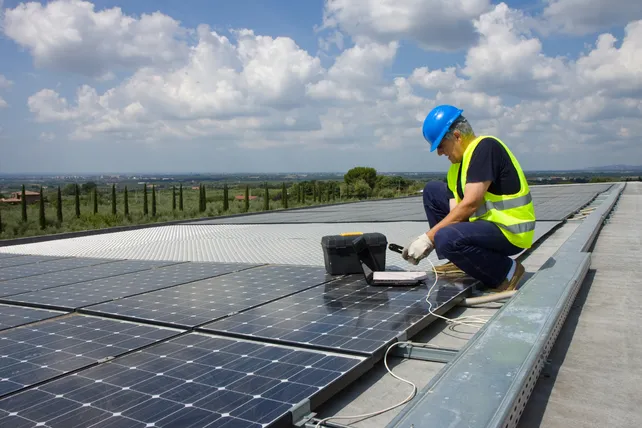
Flat roofs commonly use ballasted mounting systems that distribute weight evenly across the roof surface. These systems typically require no roof penetration but add significant point loads where mounting structures contact the roof. The roof must be assessed for its ability to handle both the distributed load and localised point loads.
Pitched Roofs
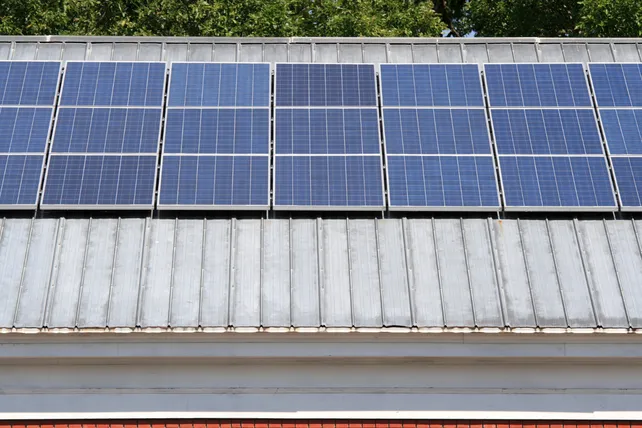
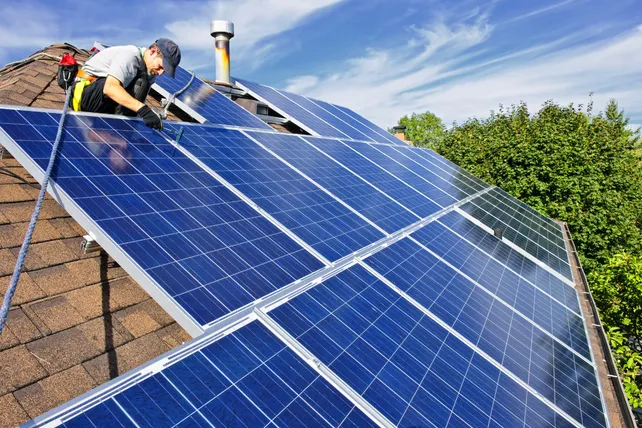
Pitched roofs require penetrating fixings that attach directly to the roof structure, typically rafters or purlins. The load path must be clearly understood, ensuring forces are transmitted to the main structural elements without overstressing intermediate components like roof tiles or cladding.
Industrial and Warehouse Roofs
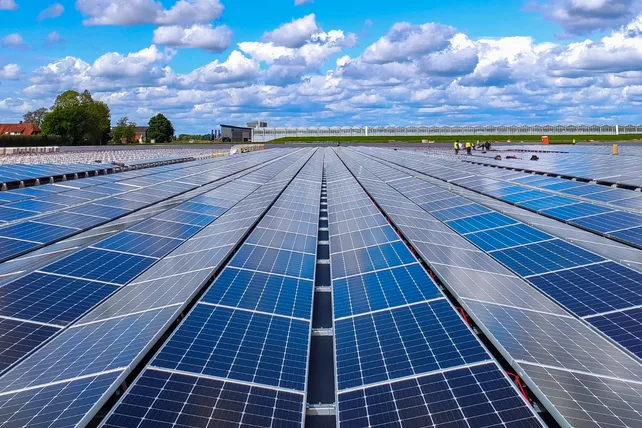
Large commercial buildings often feature steel portal frame construction with metal cladding. These structures require careful analysis of both local and global structural effects, as solar installations can significantly alter the building's dynamic response to wind loading.
Professional Structural Engineer Reports
A chartered structural engineer's report is typically required for commercial solar installations to demonstrate compliance with Building Regulations and provide professional assurance of structural adequacy.
The structural engineer's scope typically includes:
- Review of existing structural drawings and calculations
- Site survey to assess current structural condition
- Load calculations for the proposed solar installation
- Assessment of structural adequacy and safety factors
- Recommendations for any necessary structural modifications
The engineer's report should clearly state whether the existing structure is adequate for the proposed solar installation or identify any strengthening works required. This report forms a critical part of the Building Control submission and provides liability coverage for the structural aspects of the installation.
Wind Load and Safety Factor Calculations
Wind loading represents one of the most significant environmental forces acting on solar installations. UK wind load calculations must comply with BS EN 1991-1-4 (Eurocode 1: Actions on structures - Wind actions), which provides the methodology for determining design wind loads.
Key factors in wind load calculations include:
- Basic wind speed: Determined by geographical location and terrain category
- Building height and exposure: Taller buildings experience higher wind pressures
- Solar panel orientation and tilt: Affects the wind pressure coefficients applied
- Edge effects: Increased loading near roof edges and corners
Safety factors are applied throughout the design process to account for uncertainties in loading and material properties. Typical safety factors range from 1.4 to 1.6 for permanent loads and up to 1.6 for variable loads, though specific values depend on the design code requirements and risk assessment.
The mounting system must be designed to resist both uplift forces (which can be substantial in high wind areas) and lateral forces that could cause sliding or racking of the array.
Compliance Certificates and Documentation
Proper documentation is essential for demonstrating compliance with UK regulations and maintaining warranties and insurance coverage. The key documents required include:
- Building Control approval: Demonstrates compliance with Building Regulations
- Structural engineer's certificate: Confirms structural adequacy of the installation
- MCS certificate: Provides quality assurance for the installation and installer
- Electrical installation certificate: Confirms compliance with BS 7671 wiring regulations
- Operations and maintenance manual: Details ongoing maintenance requirements
These documents should be retained by the building owner and made available to future contractors, insurers, and regulatory bodies as required. Proper documentation also facilitates any future modifications or extensions to the solar installation.
Working with qualified, experienced commercial solar installers ensures that all regulatory requirements are properly addressed and documented. For systems up to 50kW, MCS-accredited installers provide an additional layer of quality assurance and are required for SEG eligibility. For larger commercial systems, reputable installers with a strong track record and appropriate professional accreditations deliver equivalent peace of mind.
See also: Our commercial solar cost overview pulls together pricing tables, tax relief, grants, sector breakdowns and FAQs in one place.