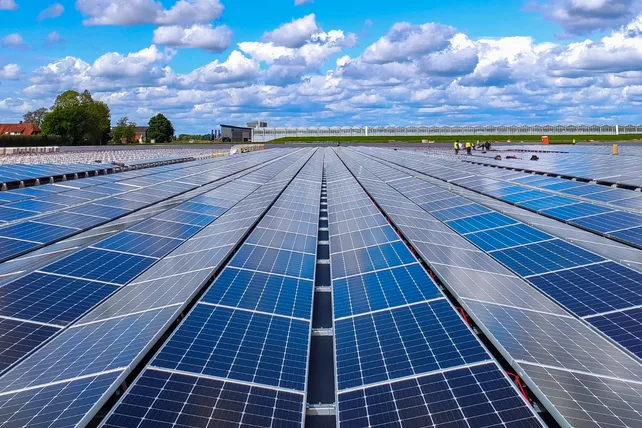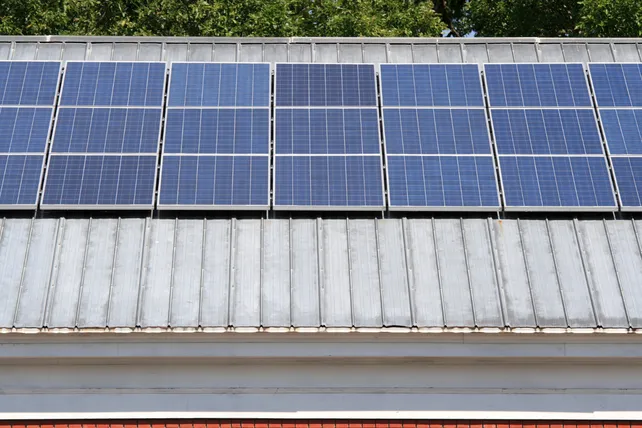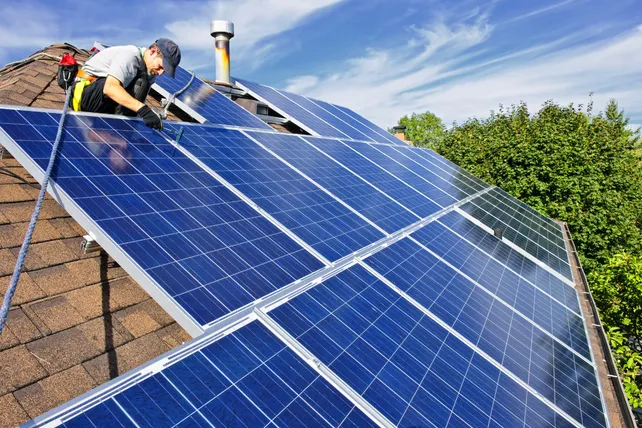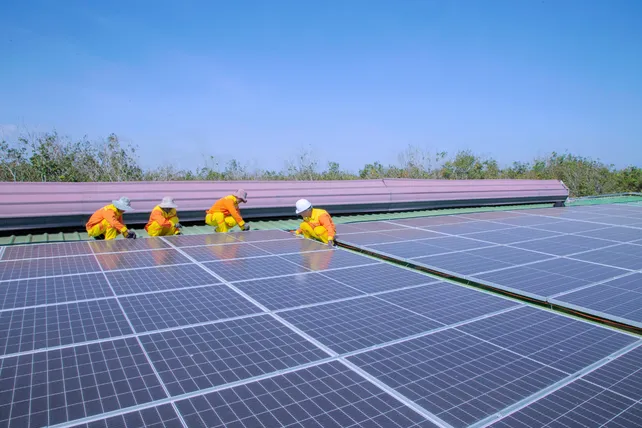
Commercial solar panel installations must withstand significant wind forces throughout their 25+ year operational life. Understanding UK wind load requirements is essential for ensuring structural safety, regulatory compliance, and long-term performance of commercial solar systems.
Understanding UK Wind Load Calculations for Solar
Wind load calculations for commercial solar installations are based on the fundamental wind speed for the specific geographic location, combined with factors including building height, terrain roughness, and panel mounting configuration. The UK uses Eurocode 1 (EN 1991-1-4) as the primary standard for determining wind actions on structures.
Key factors affecting wind load calculations include:
- Geographic location: Base wind speeds vary across the UK, with coastal and elevated areas experiencing higher wind speeds
- Building height and exposure: Taller buildings face increased wind pressure, particularly above surrounding structures
- Panel tilt angle and orientation: Steeper panel angles generally experience higher wind uplift forces
- Array configuration: Edge and corner panels typically experience higher loads than those in the centre of large arrays
- Roof type and parapet height: Flat roofs with low parapets create different wind flow patterns compared to pitched roofs
Professional wind load assessments consider both positive pressure (pushing panels down) and negative pressure or uplift (pulling panels upward), with uplift forces often being the critical design factor for roof-mounted installations.
Building Code Requirements and Structural Standards
Commercial solar installations in the UK must comply with Building Regulations, particularly Part A (Structure) which governs structural safety. The regulations require that any structural modifications or additional loads be designed and installed to maintain the building's structural integrity.
Key regulatory requirements include:
- Structural calculations: Detailed calculations demonstrating the roof structure can safely support additional dead loads (panel weight) and live loads (wind, snow, maintenance access)
- Foundation adequacy: Assessment of existing foundations to ensure they can handle redistributed loads
- Building control approval: Most commercial installations require building control notification or approval, depending on the system size and structural modifications
- CDM Regulations compliance: Construction (Design and Management) Regulations apply to most commercial projects
The Institution of Structural Engineers provides guidance on solar panel installations, emphasising the importance of considering the building as a complete structural system rather than simply calculating local attachment loads.
Wind Load Assessment and Professional Calculations
Accurate wind load assessment requires detailed analysis by qualified structural engineers familiar with both Eurocode standards and solar installation practices. The assessment process typically involves several key stages.
Initial site assessment includes reviewing existing structural drawings, conducting visual inspections of the roof structure, and identifying any existing structural modifications or defects that could affect load capacity.
Detailed calculations must account for:
- Dead loads: Weight of panels, mounting systems, and any additional equipment
- Imposed loads: Maintenance access, cleaning equipment, and snow loading
- Wind loads: Both positive and negative pressures across different zones of the array
- Dynamic effects: Potential for wind-induced vibration or resonance
- Load combinations: Critical combinations of different load types as specified in Eurocode standards
Many commercial installations benefit from computational fluid dynamics (CFD) analysis, particularly for complex building geometries or large arrays where standard calculation methods may be overly conservative.
Mounting System Selection for Wind Resistance
Mounting system selection plays a crucial role in managing wind loads effectively. Different mounting approaches offer varying levels of wind resistance and structural efficiency.
Ballasted mounting systems rely on distributed weight to resist wind uplift forces. These systems work well on structurally adequate flat roofs but require careful calculation to ensure sufficient ballast mass without overloading the roof structure. Ballasted systems typically require 40-80 kg per square metre of additional loading.
Mechanically attached systems use direct fixings to the roof structure, transferring wind loads through the mounting points rather than relying on ballast weight. These systems generally impose lower overall roof loads but require careful consideration of local stress concentrations around fixing points.
Hybrid systems combine ballast and mechanical fixings, optimising the balance between wind resistance and structural loading. This approach often provides the most efficient solution for challenging wind environments.
Modern mounting systems incorporate several wind-resistant design features:
- Aerodynamic profiles: Streamlined mounting rails reduce wind turbulence
- Perimeter management: Specialised edge treatments manage higher wind loads at array perimeters
- Flexible connections: Allow controlled movement under wind loading without compromising structural integrity
Roof Structure Modifications and Reinforcement
Many commercial buildings require structural modifications to safely accommodate solar installations. Common reinforcement approaches include strengthening existing roof structures, redistributing loads through additional structural elements, or upgrading foundations where necessary.
Reinforcement strategies vary depending on the existing structure:
- Steel frame buildings: May require additional roof beams, strengthened connections, or upgraded roof deck systems
- Concrete structures: Often need assessment of existing reinforcement adequacy and potentially additional reinforcement
- Masonry buildings: May require careful load path analysis and strengthening of load-bearing elements
Professional structural engineers assess whether existing structures can accommodate additional loads or require modification. This assessment considers not just immediate load capacity but also long-term effects including potential fatigue from wind-induced cycling loads.
Compliance Certification and Safety Documentation
Comprehensive documentation is essential for demonstrating compliance with UK regulations and maintaining valid building and equipment insurance. Required documentation typically includes structural calculations certified by chartered engineers, building control certificates or completion notices, and installation certificates from qualified commercial solar installers.
Ongoing compliance requires regular inspection and maintenance records, particularly for mechanically attached systems where fixing integrity must be maintained throughout the installation lifetime. Many commercial installations benefit from periodic structural inspections, especially following severe weather events.
Insurance companies increasingly require detailed structural assessments and compliance documentation for commercial solar installations. Working with qualified commercial solar installers who understand these requirements helps ensure smooth project completion and ongoing operation.
Ready to explore commercial solar options for your business? Nu.energy connects you with qualified commercial solar installers who understand UK wind load requirements and can ensure your installation meets all structural and regulatory standards. Our platform helps you find experienced professionals who can navigate the complexities of commercial solar installations while ensuring safety and compliance throughout the project lifecycle.
See also: Our commercial solar cost overview pulls together pricing tables, tax relief, grants, sector breakdowns and FAQs in one place.